
Securing Your Business
The basics of protecting commercial premises in Shepparton, from lock grades and access control to keeping track of who holds a key. Practical advice for owners and managers.
Business Security
A Business Has Different Risks to a Home
Securing a business is not just a bigger version of securing a home. You have stock or equipment worth protecting, staff and contractors coming and going, areas that should stay restricted and often an insurer or landlord with specific requirements. Get it wrong, and the cost is not just a break-in; it is downtime and disruption too.
The upside is that commercial security is well understood, and a few sound decisions cover most of it. This guide covers the essentials, from door locks to access control, so you can protect your premises without overcomplicating things.
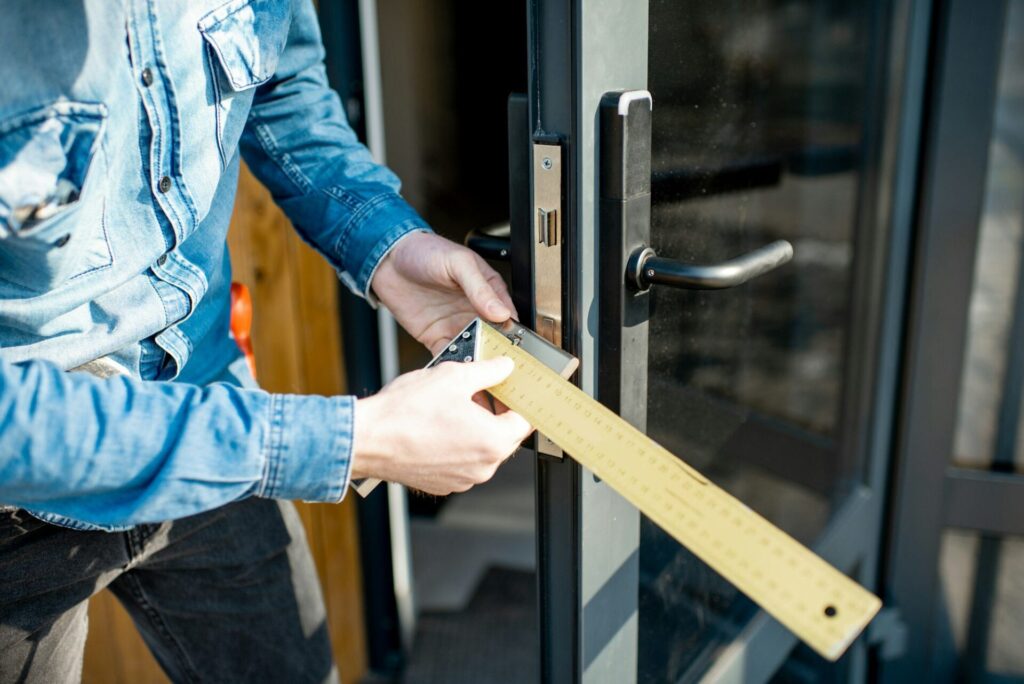
The Three Pillars of Business Security
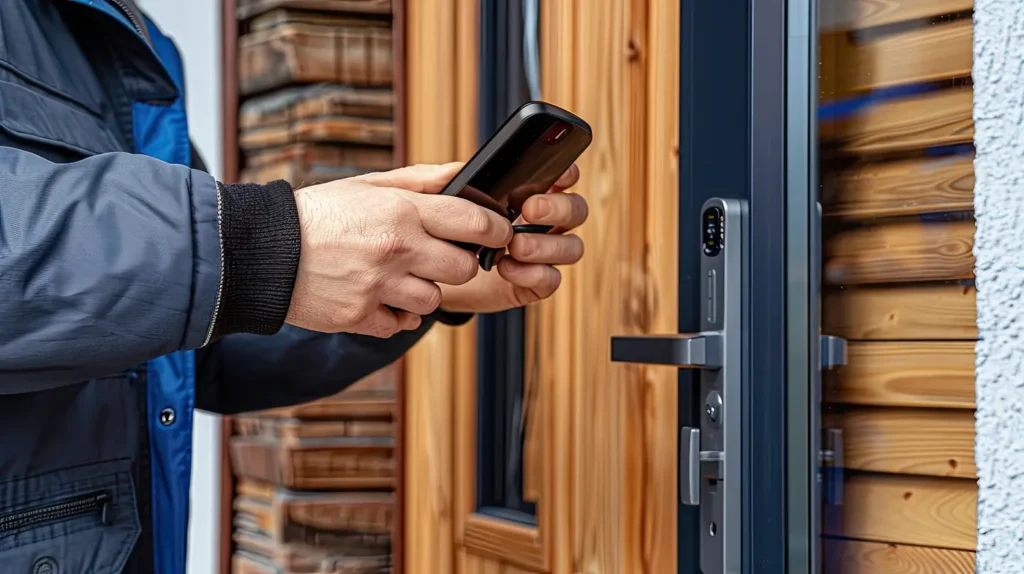
Commercial Locks
Business doors take more abuse than home doors, so they need hardware built for it. Commercial-grade locks and reinforced strike plates withstand the force a home lock will not.
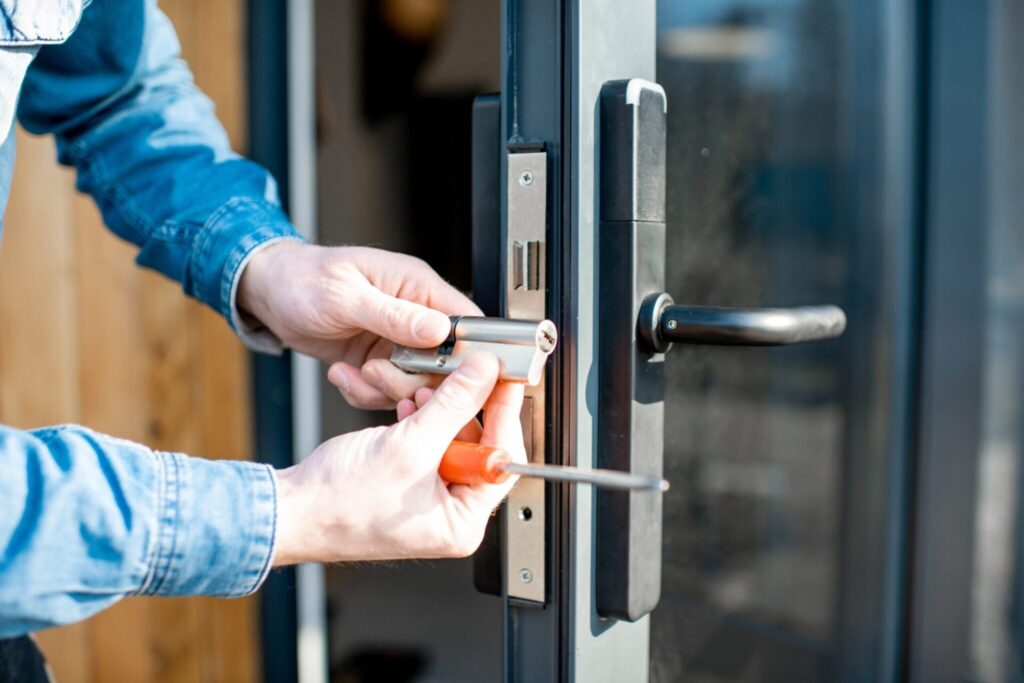
Access Control
Decide who can get where, and back it up. Whether it is keys, fobs or keypads, controlling access to stockrooms, offices and back areas limits both outside risk and internal loss.

Key Management
Know exactly who holds a key and what it opens. A restricted key system stops staff copying keys at a hardware store and lets you shut down a lost key without rekeying the whole site.
Not Every Threat Comes From Outside
It is easy to focus on stopping break-ins, but for many businesses the bigger ongoing risk is access drifting out of control. Keys get copied, staff leave without handing them back, and over time you lose track of who can open what. Strong locks on the doors do nothing if there are copies of the keys floating around town.
This scenario is where commercial security differs most from a home. A restricted key system or an electronic access setup lets you grant access by role, see who holds what and revoke a single person without disrupting everyone else. For premises with staff, that control is often worth more than the locks themselves.
How to Secure Your Premises
Whether you are fitting out a new site or tightening up an existing one, work through these three steps.
Assess the Premises
Walk the site and map every entry point, including back doors, loading areas, roller doors and windows. Note the condition of each lock and which internal areas should be restricted.
Match Security to Risk
Fit commercial-grade locks where they are needed, prioritising main entries and anywhere holding stock, cash or data. Decide which areas need access control rather than a standard key.
Take Control of Access
Set up a key or access system that records who holds what; ideally, it should be a restricted system. Keep a register, collect keys when staff leave and review access whenever roles change.
Business Security Questions
The questions Shepparton business owners and managers ask us most about protecting their premises.
write to us
Need a Locksmith? Get in Touch Today.
Whether you have a question about our services or you’re ready to book a job, we’d love to hear from you. Fill out the form, and we’ll respond back to you as soon as possible, or give us a call if you need us urgently.